

I went to the yearly Biographer International Organization conference recently, and had a blast.
One woman I talked to wanted to create a family tree for her subject. She lives in Louisiana, and her subject has relatives who lived all over. The material she wanted was offline. So she drove to parish seat after parish seat, to crack open a series of what had to be musty 150-year-old records of births and deaths. Just to get individual data points in order to create a family tree for someone not around the answer questions.
I’m in awe of that sort of dedication and research. Days and days of work to wrestle one undisputed fact from the earth, where it’d otherwise be forgotten. Months of toils to create chapters full of information and sights no one knew for over a century.
I’ve never done that, and I’m not sure if I could even conceive of doing that.
In general I live an abstemious life. I have one drink every other week or so. I try to eat vegetarian. I’ve never smoked or dabbled in drugs. My credit card bill is paid in full every month. My last casino bet was $10 on roulette in 2002: I won $10, cashed out, and used my earning to buy a book, then sat and read in the casino for 2 hours.
I try to balance out the abstemiousness so I don’t turn into the Giving Tree. I make myself buy at least one item of clothing a year: wearing a new polo shirt as I write this. I found a special type of coffee I like — coffee with chicory, from New Orleans — and buy it online, even though it’s not the cheapest coffee.
But in one area of my life I’m a no-impulse-control, materialist libertine.
When I’m writing something, and I find an important fact, I immediately scoop it up like a goldfish in a coffee cup and trot it over to my in-progress manuscript and plop it in where it belongs.
Sometimes it may take a while: I’ll dogear the page of the book, if I find it in a book, or write myself a note. Sometimes I write what looks like a bizarre search request on my phone and leave the tab open, as a reminder.
I’ve done this where my manuscript is a page and a half long, and the fact I’m adding has nothing to do with that page and a half. I’ve done it where that errant fact is the very first and only thing in the manuscript. I’ve done it when I’m almost positive the me of tomorrow will cut that fact for being irrelevant or unnecessary.
As far as I know, no one else writes books the way I write them. Most everyone else has discreet, separate periods of research and of writing. Spend a year hoovering up everything there is to know about Eustace Tilley, then spent nine months pounding out the best book about Eustace Tilley you’ve got in you.
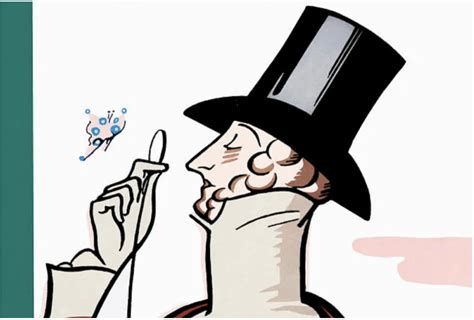
(Eustace Tilley is the fancypants top-hat-and-monocle guy from the New Yorker covers, by the way.)
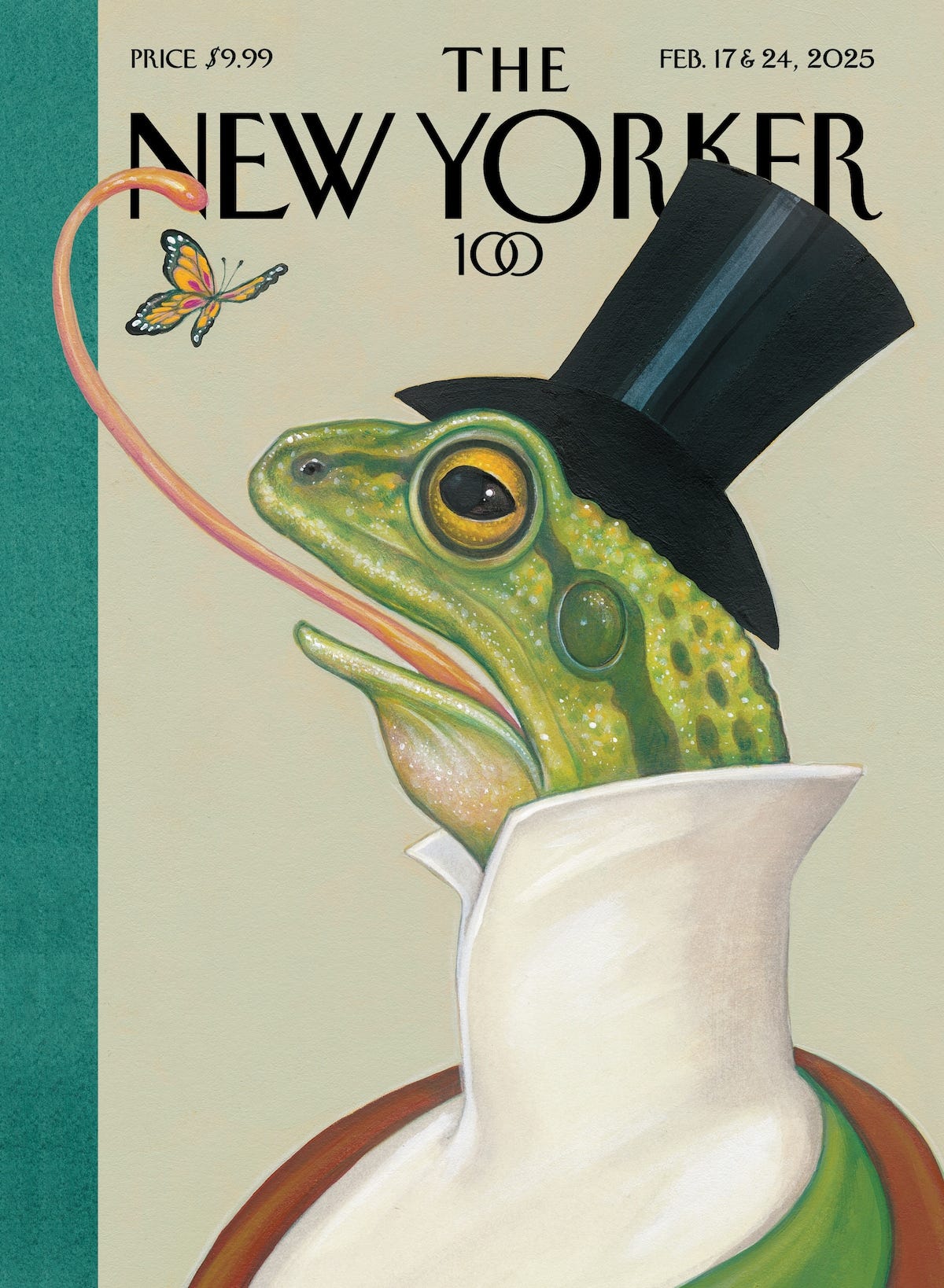
Anyhow, that’s how most everyone writes their densely researched book: lots of research — years worth — and then a briefer, intense period of months of writing.
I’ve started to get why they do that.
Last month or so, I spent two days in an archive, doing research. By necessity I was just scribbling down facts and taking pictures of documents I didn’t have the time to also interpret these facts and figure out where in the manuscript they’d go. I didn’t want to lose precious archive hours doing that, when I could be loading up my mental database with more facts to be chewed on later.
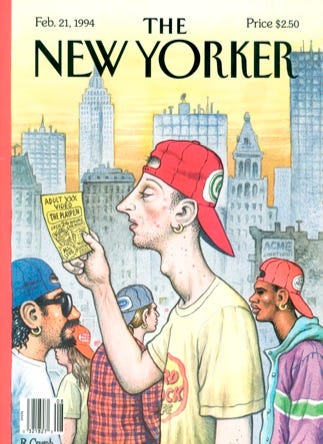
That was on a Saturday. I was looking forward to spending all Sunday going through the notes…but I didn’t. In the way of these things, I can’t remember why I didn’t, what prevented me, what other thing took precedence.
But after that one thing was a month of other things.
And the notes I took became a bunch of green papers I carried around in my laptop bag, something creasing when I shoved the laptop in there. Waiting for a day when I’d be ready to look at them, and cross-reference them with the pictures I took of documents.
I finally did that work yesterday, after close to six weeks.
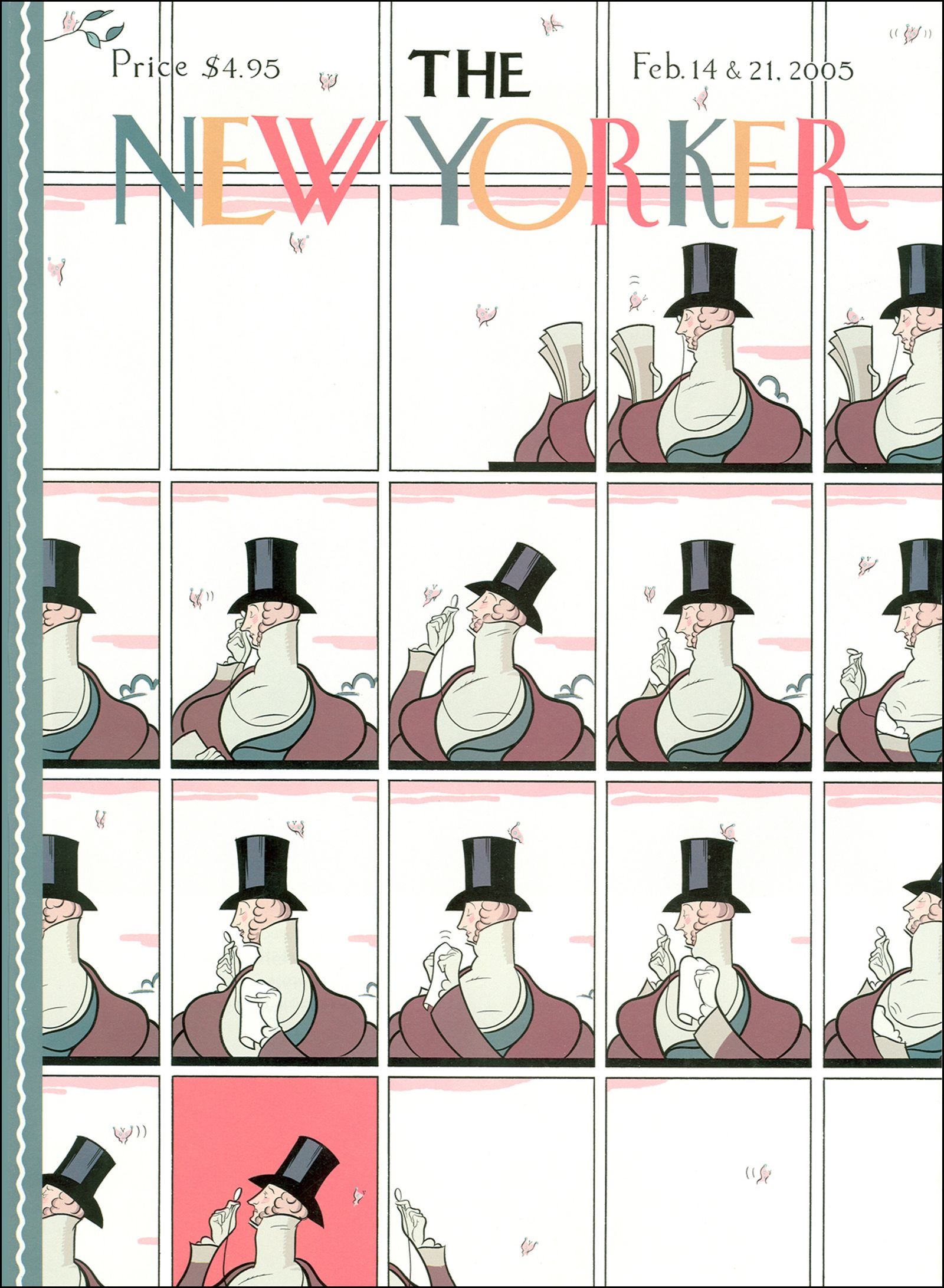
And all those separate facts had, during the six weeks of being backburnered, begun to adhere and cling to one another. They had formed a chapter, without my conscious thought. Some facts I’d completely forgot about, when I reread them, I found out my mind had already placed that as part of the seventh paragraph of something I hadn’t started to write yet.
My mind had been writing all this time, without me knowing it. Making all sorts of connections that conscious me is not smart enough to make.
It led to a wonderful day of writing. I see the appeal of collecting a critical mass of facts: their gravity does the work of combining them into exactly the mix I hoped they’d be. All I had to do was transcribe what my subconscious had done.
Alas, I don’t think I’ll keep doing this. Not when I have the instant gratification of adding it immediately.
On the other hand, I found out that the “real” writing at BIO often felt like they were in a research trap. There’s always something new to learn about. There’s a Van Gogh pastiche of Eustace Tilley, for instance. Better devote two years of your life to learning all about Van Gogh to better inform the one line you’ll write about him. Eustace presumably lives in New York: time to learn absolutely everything about New York. Eustace is a drawing; time to learn the entire history of art. He’s looking at a butterfly; one entomology doctorate, coming right up.
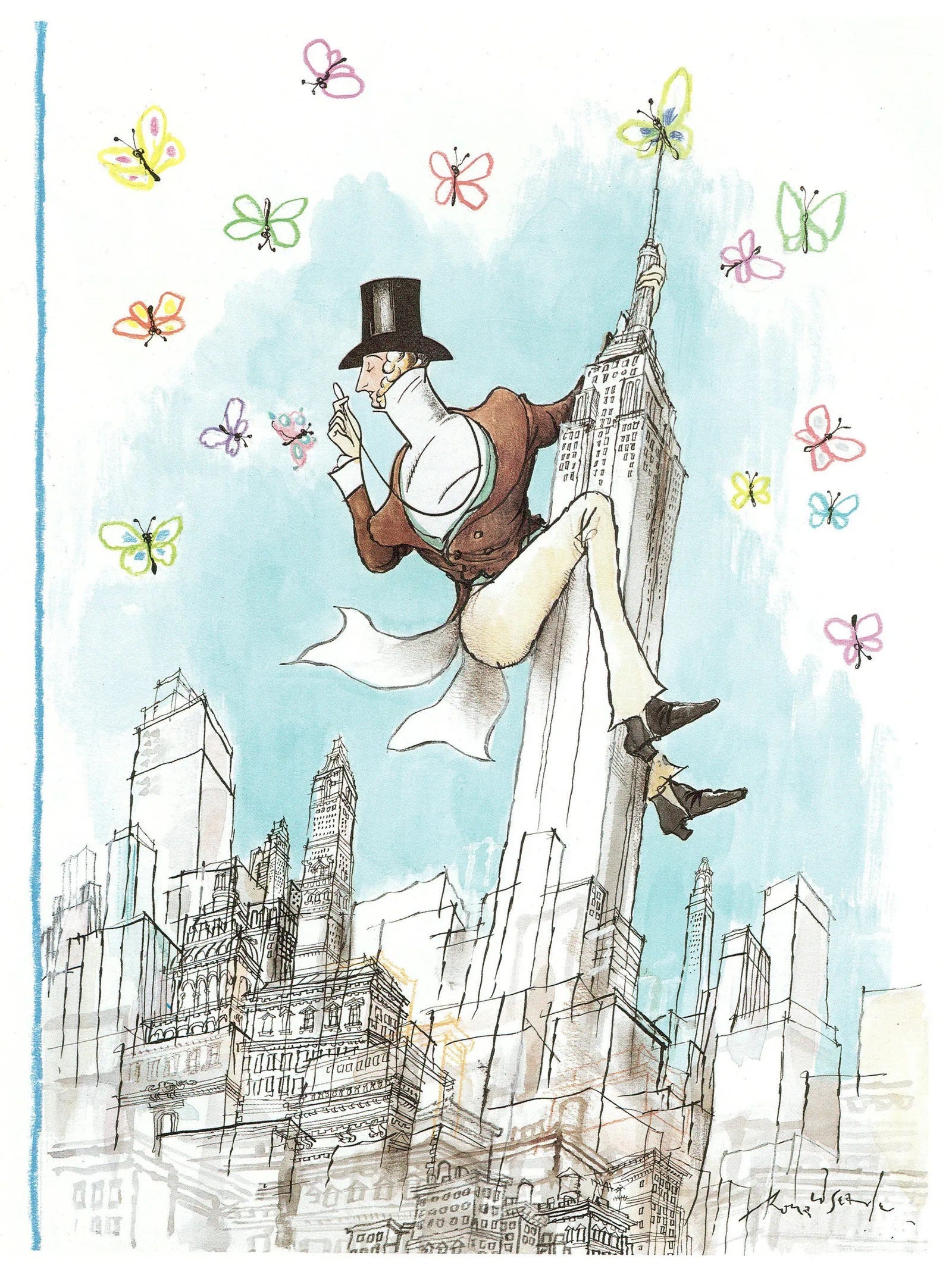
Research is never “done.” Even when it’s done, there’s more thinking, perspectives, life and times, etc. Even when you stop learning anything new, you reinforce all that you already know, and confirm you’ve learned it all.
It can be a trap: I’ve met people there who’ve been working on their book for over a decade.
Know what you should never ask that person, a decade into their book project?
How many words of it they’ve written.
It may be zero.
Some vastly talented researchers actually told me I was smart to write the way I do! For going immediately to writing, and avoiding the perpetual-grad-student research trap. Like I’d discovered a secret.
Made me feel ten feet tall.
Or at least like a guy with a stiff collar and a monocle looking at a butterfly.
SUPER MARIO OF THE WEEK
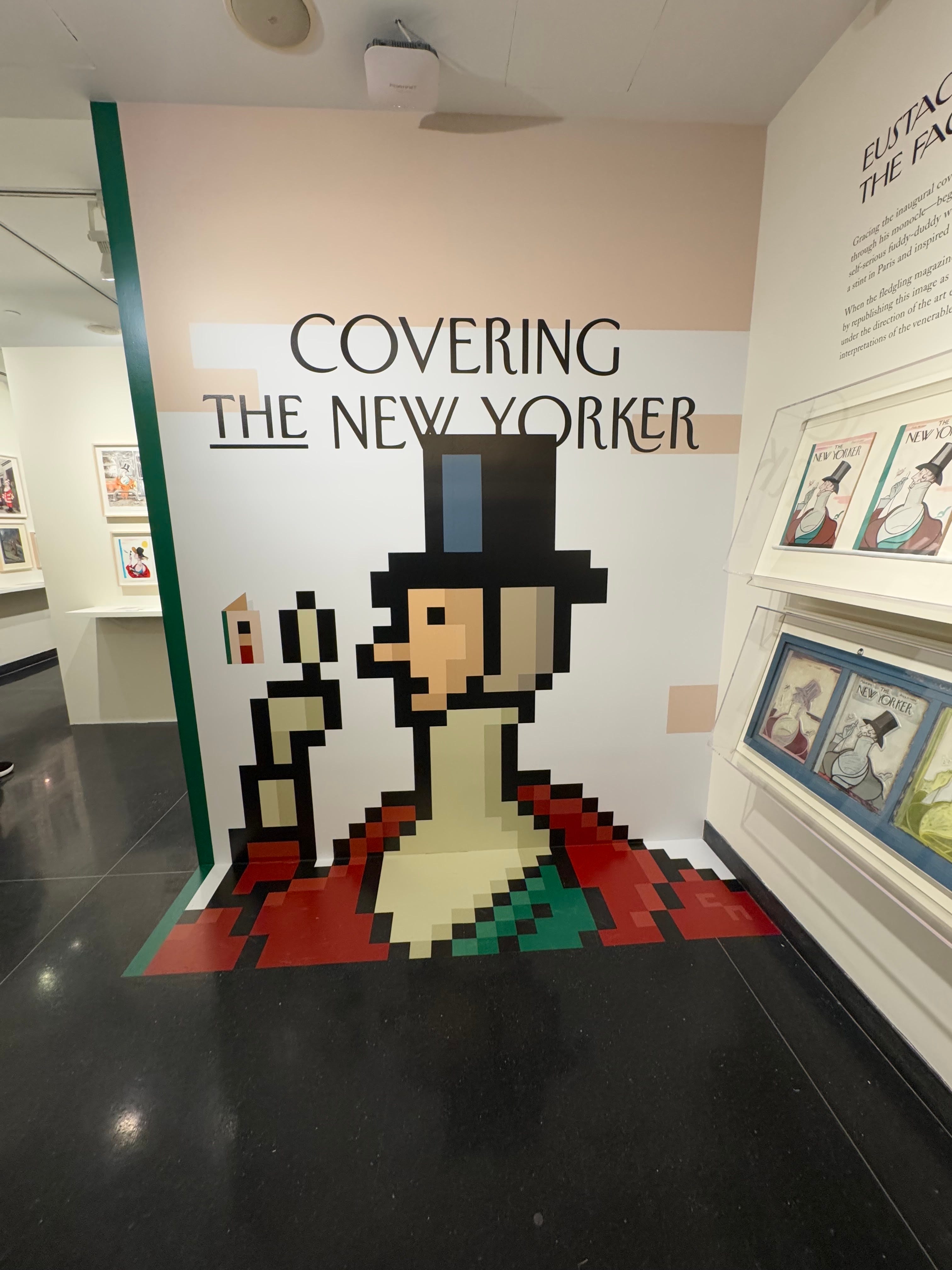
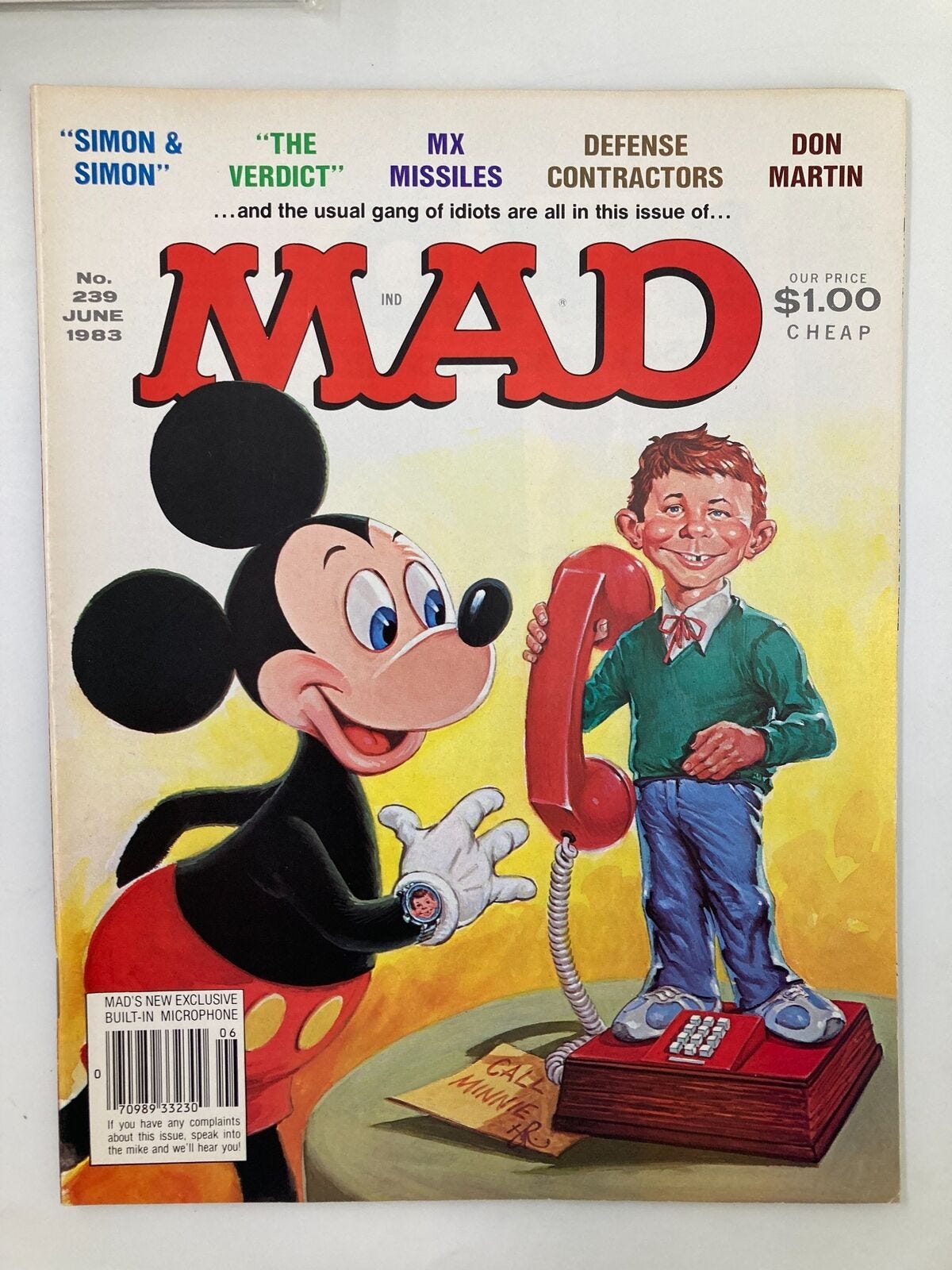
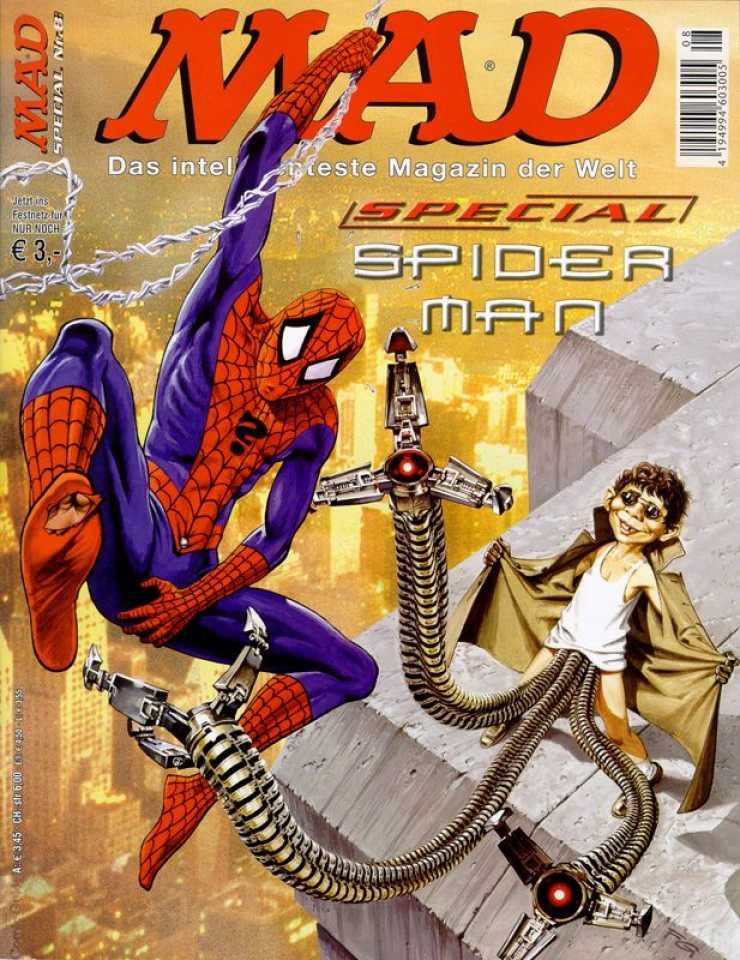
(Before you ask, yes I checked to see if there was a Eustace Tilley New Yorker version of Mario, Mickey, Leia, and Spidey. None; 0 for 4. Found an 8-bit Eustace, which is the closest the New Yorker came to admitting the 20th century exists. Very disappointed to not have a Eustace Tilley week.)
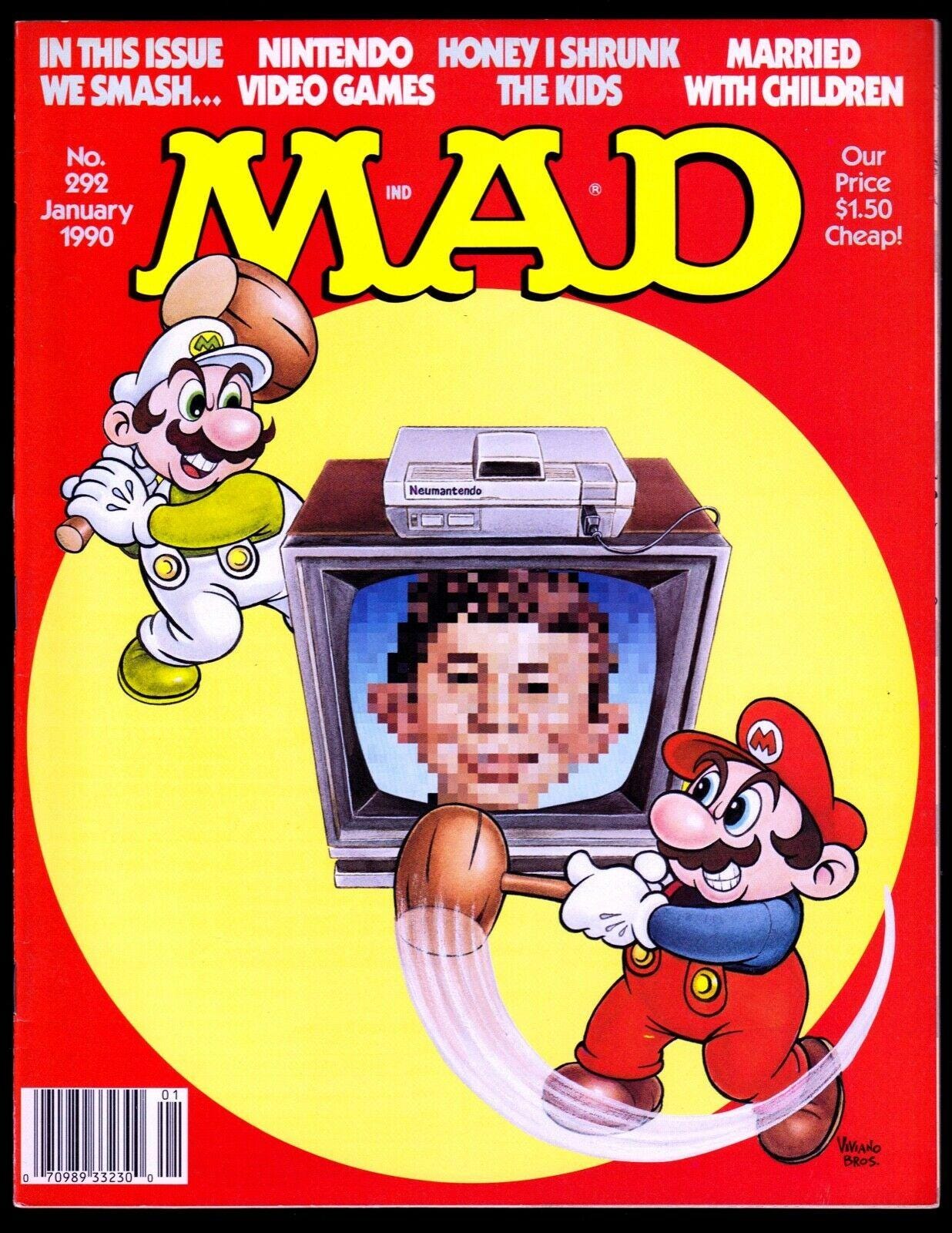
So here’s Eustace Tilley’s polar opposite, Alfred E Newman!
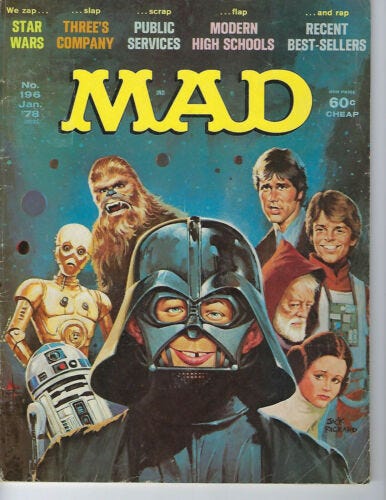
PRINCESS LEIA OF THE WEEK
MICKEY MOUSE OF THE WEEK
SPIDER-MAN OF THE WEEK
UPCOMING APPEARANCES
NOSTALGIA CON: SECAUCUS, NJ — July 10-12
PUNK RUNK FLEA MARKET: EDISON, NJ — July 25
ANIME NYC: NEW YORK, NY— August 27-30